
15 Secrets to the Perfect Vietnamese Chicken Salad Recipe That’ll Transform Your Weeknight Dinners
What Makes a Vietnamese Chicken Salad Recipe Truly
Authentic
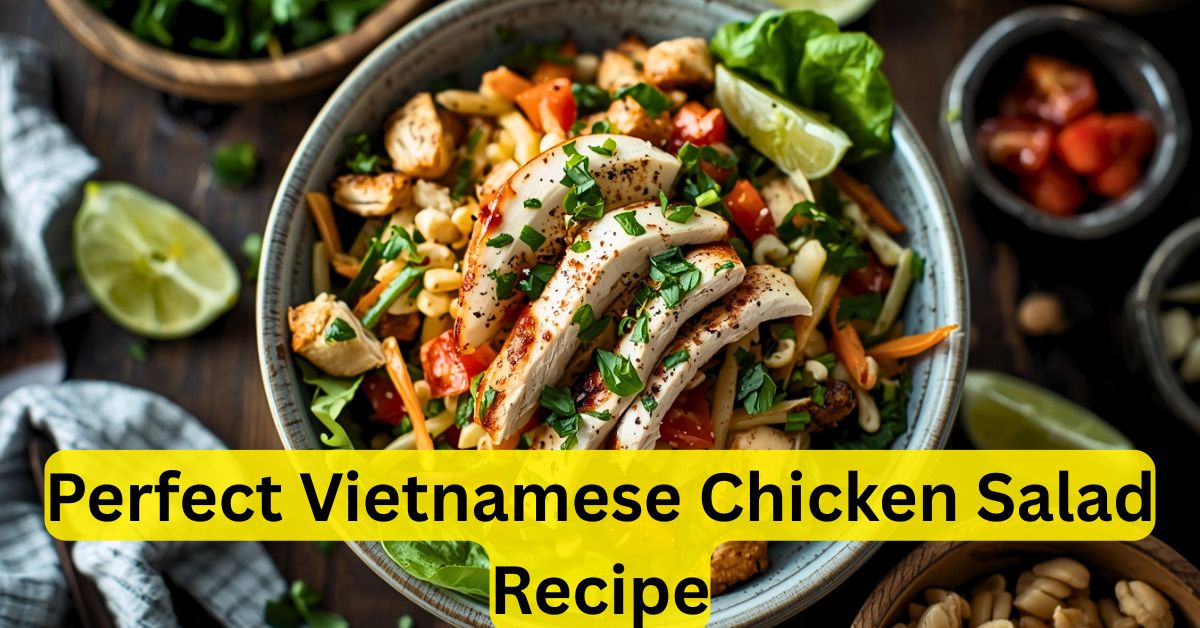
If you’ve ever eaten at a Vietnamese restaurant and found yourself completely hooked on a refreshing, tangy chicken salad, you’re not alone. The Vietnamese chicken salad recipe — known locally as Gỏi Gà, is one of the most celebrated dishes in Vietnamese cuisine. It’s light, zingy, and packed with layers of flavour that dance on your palate. But what separates a truly authentic version from a pale imitation? It’s all in the details.
Authentic Vietnamese chicken salad isn’t just about tossing cooked chicken with some vegetables. It’s a carefully composed dish that balances five fundamental flavour profiles: salty, sweet, sour, spicy, and umami. Every ingredient plays a role. The fresh herbs aren’t optional garnishes — they’re structural. The dressing isn’t a simple vinaigrette — it’s a nuanced sauce that ties everything together with a boldness that’s uniquely Southeast Asian.
What’s more, the textures are just as important as the flavours. You’ll find tender shredded chicken, crisp raw cabbage, silky onion ribbons, crunchy roasted peanuts, and fragrant fried shallots all in a single bowl. It’s a masterclass in contrast. Don’t let the simplicity fool you —Every component earns its place.
The Cultural Roots of Gỏi Gà
The word gỏi broadly refers to Vietnamese-style salads, and gà simply means chicken. This dish has deep roots in Vietnamese culinary tradition, especially in the central and southern regions of the country. It’s a staple at family gatherings, Tết celebrations (Vietnamese Lunar New Year), and casual weekday meals alike. In Vietnam, food is deeply communal.
Salads like Gỏi Gà are often prepared in large batches to be shared around the table, accompanied by steamed rice or fresh rice paper. The recipe has been passed down through generations, with every family adding their own quiet signature — a little more chilli here, a squeeze of kumquat there. That sense of living tradition is part of what makes this dish so enduringly beloved.
Why This Vietnamese Chicken Salad Has Gone Global
Over the past two decades, Vietnamese food has earned a well-deserved spot among the world’s most popular cuisines. Dishes like pho, bánh mì, and spring rolls have introduced millions of people to the clean, herb-forward flavours of Vietnam. The Vietnamese chicken salad has followed close behind. It’s naturally gluten-free, dairy-free, and relatively low in calories, which makes it a great fit for a wide range of modern dietary preferences.
Food bloggers, nutritionists, and home cooks around the globe have embraced it because it’s genuinely easy to adapt without losing its soul. You don’t need exotic equipment or hard-to-find ingredients. In most cities today, the key components are readily available at
Asian grocery stores or even mainstream supermarkets.
Essential Ingredients You’ll Need for Vietnamese chicken salad
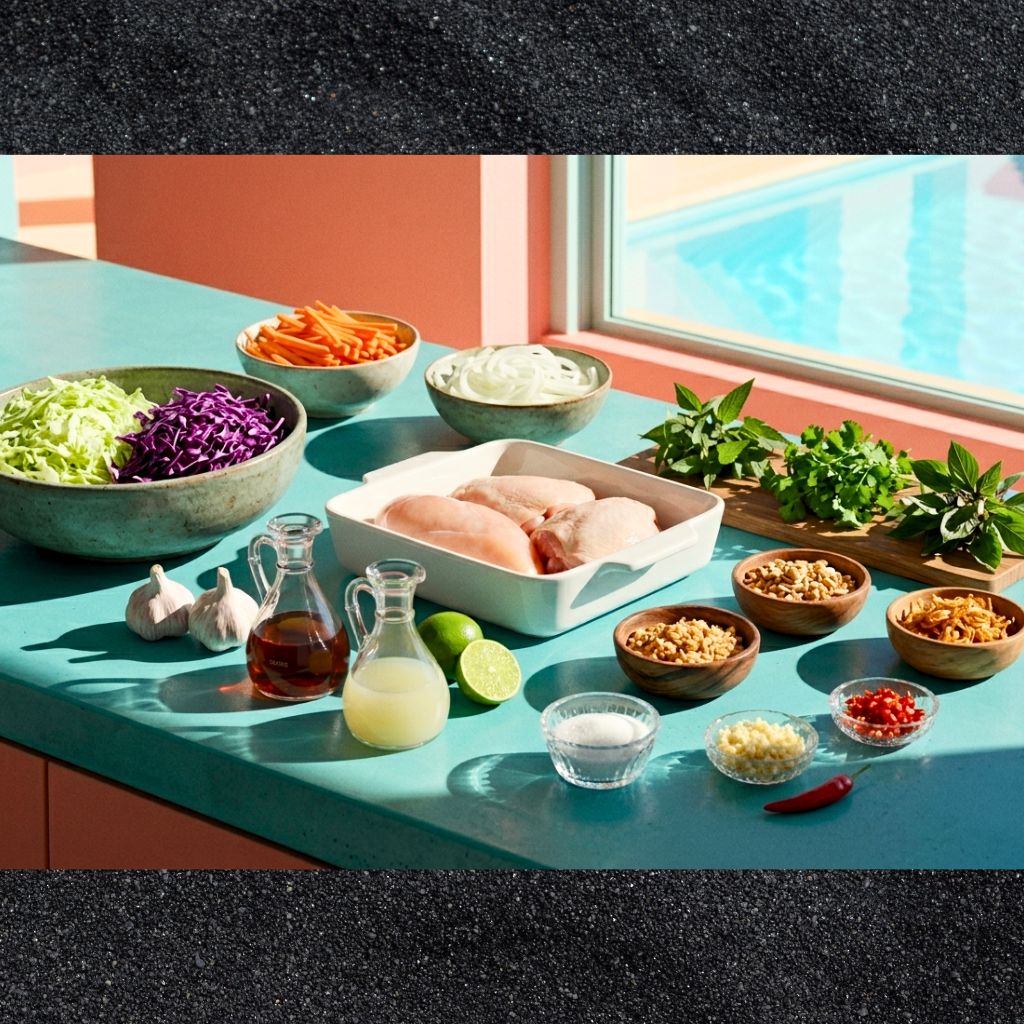
Getting the ingredients right is the foundation of any great Vietnamese chicken salad recipe. Here’s a clear breakdown of everything you’ll need to serve approximately four people.
| Category | Ingredient | Quantity |
| Protein | Chicken breast or thighs | 500g |
| Vegetables | Green cabbage, shredded | 3 cups |
| Vegetables | Purple cabbage, shredded | 1 cup |
| Vegetables | Carrot, julienned | 1 medium |
| Alliums | White onion, thinly sliced | ½ medium |
| Fresh herbs | Vietnamese mint (rau răm) | ½ cup |
| Fresh herbs | Fresh coriander/cilantro | ½ cup |
| Fresh herbs | Thai basil | ¼ cup |
| Garnish | Roasted peanuts, crushed | ⅓ cup |
| Garnish | Fried shallots | ¼ cup |
| Dressing | Fish sauce | 3 tbsp |
| Dressing | Lime juice, fresh | 3 tbsp |
| Dressing | Sugar | 2 tbsp |
| Dressing | Garlic, minced | 2 cloves |
| Dressing | Bird’s eye chili | 1–2 |
Choosing the Right Chicken for the Vietnamese Chicken Salad Recipe
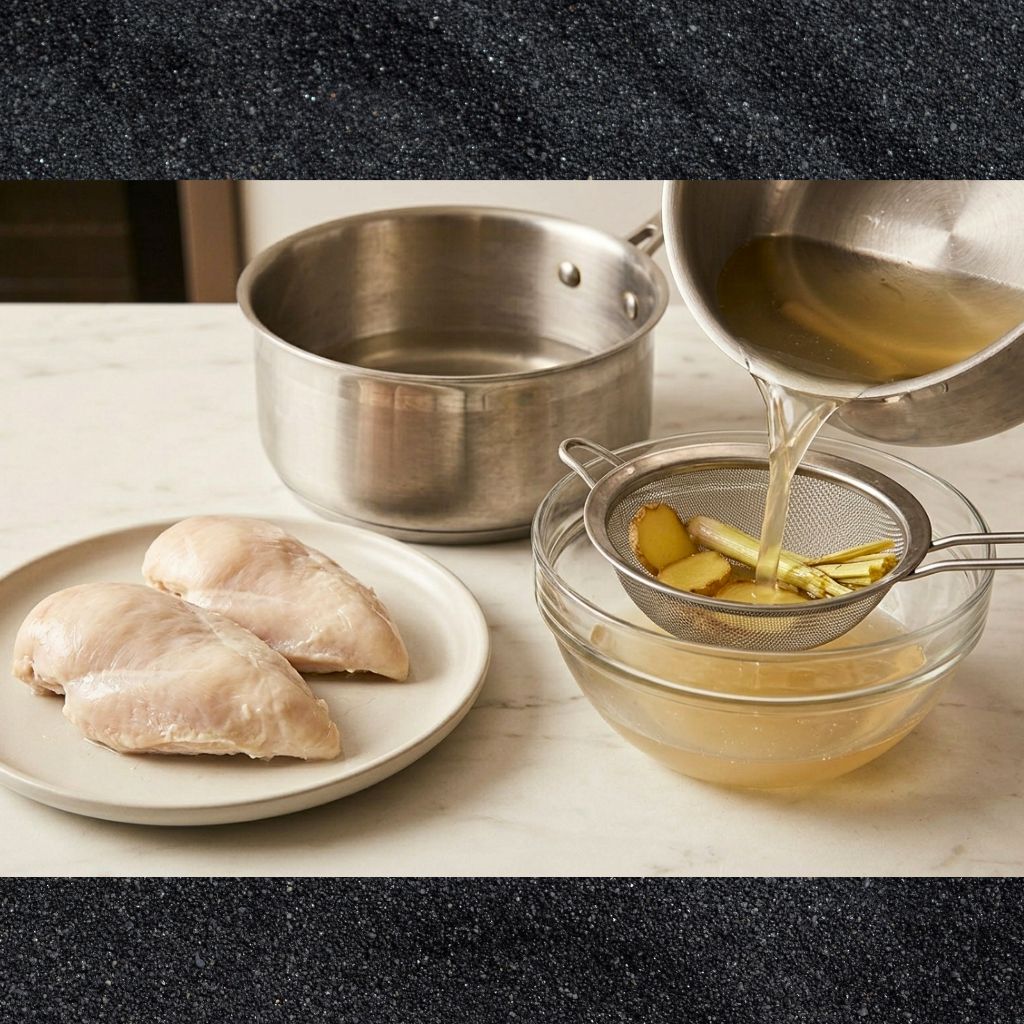
The chicken is, naturally, the star of this Vietnamese chicken salad recipe. Poached chicken breast is the most traditional choice, giving you clean, lean protein that shreds beautifully into fine, silky strands. However, don’t overlook chicken thighs — they’re juicier and more forgiving if you accidentally overcook them a little. For the best flavour, poach your chicken in a lightly seasoned broth rather than plain water.
Add a couple of slices of fresh ginger, a bruised stalk of lemongrass, and a pinch of salt to the poaching liquid. This infuses subtle aromatics into the chicken itself, which deepens the overall flavour of the finished salad. Leftover rotisserie chicken works brilliantly here, too, making this dish an excellent choice for quick weeknight meals.
Fresh Herbs That Define the Dish
This is where the Vietnamese chicken salad recipe really sets itself apart from Western-style chicken salads. The herbs aren’t supporting actors — they’re co-stars. Vietnamese mint (rau răm) has a distinctive peppery, slightly lemony flavour that’s unique. If you can find it, use it generously. Fresh coriander adds brightness, and Thai basil contributes a faint anise note that rounds everything out.
If Vietnamese mint isn’t available locally, don’t panic. A combination of regular mint and fresh coriander gets you close. The key is using a lot of herbs — far more than might feel natural if you’re used to Western salads. Aim for at least one cup of loosely packed mixed herbs per four servings.
Vegetables for Crunch and Color
Cabbage is the backbone of most Vietnamese salads, providing the structural crunch that carries all those beautiful flavours. Using a mix of green and purple cabbage gives you better visual appeal and a slightly broader flavour range. Julienned carrot adds sweetness and a pop of colour. Thinly sliced white onion, soaked in cold water for ten minutes before use, loses its sharp raw bite and becomes pleasantly mild and crisp.
The Dressing: Heart of the Vietnamese Chicken Salad
No element of the Vietnamese chicken salad recipe matters more than the dressing. It’s what makes this dish sing. The Vietnamese dipping sauce known as nước chấm forms the base of this dressing, and it’s one of the most versatile condiments in all of Southeast Asian cooking.
Getting this right will genuinely transform not just this recipe, but your entire repertoire of Asian-inspired dishes.
The classic ratio for nước chấm is roughly equal parts fish sauce, lime juice, and water, with sugar to taste. For a salad dressing, you’ll want to skip the water and increase the intensity slightly. The goal is a sauce that’s bold enough to stand up to all those fresh, vibrant vegetables and herbs.
It should taste almost too strong on its own — because the moisture content of the salad will dilute it as everything comes together.
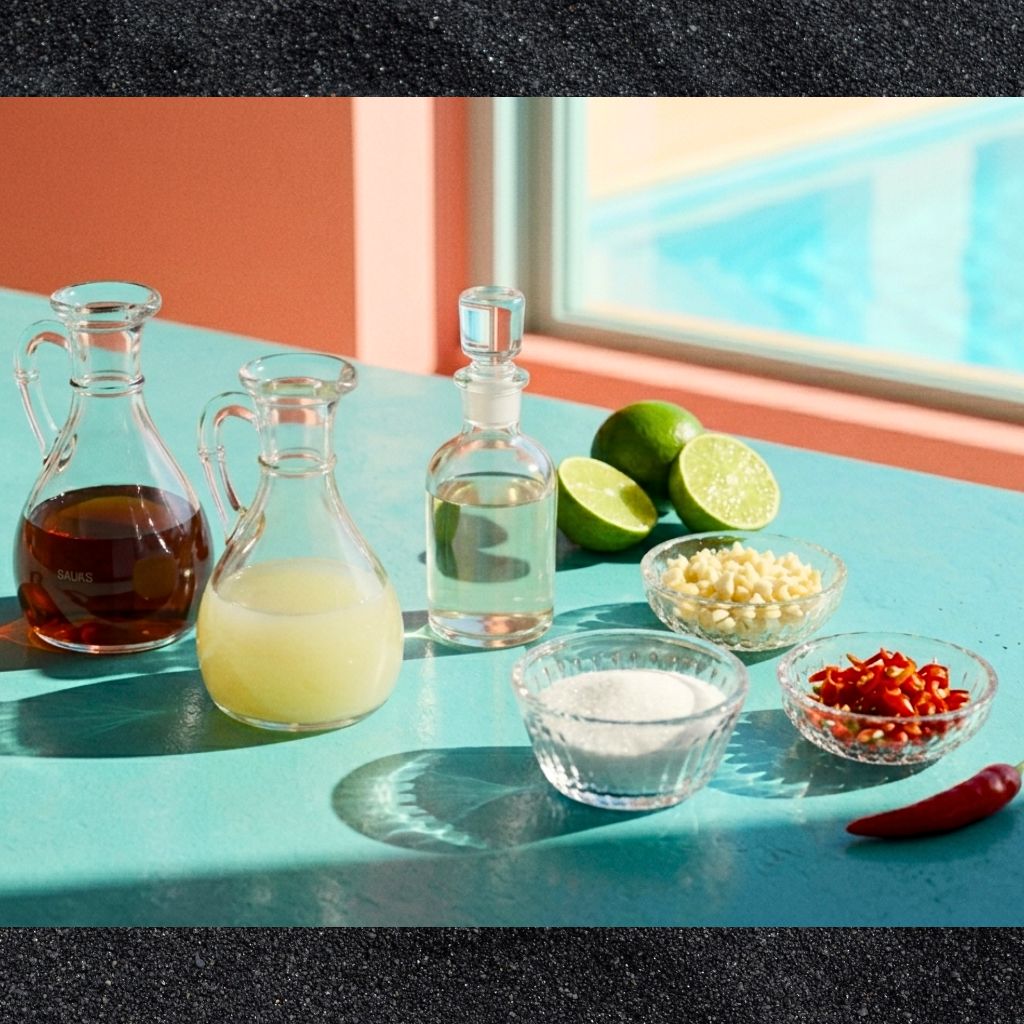
Here’s the dressing recipe in detail:
● 3 tablespoons fish sauce
● 3 tablespoons fresh lime juice (approximately 2 limes)
● 2 tablespoons white sugar or palm sugar
● 2 cloves garlic, finely minced
● 1–2 bird’s eye chilis, finely sliced (adjust to your heat preference)
● 1 tablespoon rice vinegar (optional, adds extra tang). Combine all ingredients and stir until the sugar fully dissolves. Taste and adjust — if it’s too salty, add more lime. Too sour? A touch more sugar. The balance should feel lively and harmonious.
Fish Sauce: The Non-Negotiable
Let’s talk about fish sauce, because it’s the ingredient that intimidates most first-time Vietnamese cooks. Yes, it smells pungent straight from the bottle. Yes, it’s made from fermented anchovies. But in a finished dish, fish sauce doesn’t taste “fishy” at all.
It provides a deep, savoury umami backbone that you cannot replicate with soy sauce or any other substitute. Look for a reputable Vietnamese brand like Tiparos, Megachef, or Phú Quốc fish sauce.
The quality genuinely matters. A good fish sauce has a clean, complex saltiness. A poor one has a flat, overly briny flavour that muddies everything it touches. According to Serious Eats’ guide to Southeast Asian pantry staples, fish sauce is among the most transformative ingredients in world cooking — and we’d wholeheartedly agree.
Balancing Sweet, Sour, Salty, and Spicy
The genius of Vietnamese flavor philosophy is its commitment to balance. None of the four core flavors should dominate. The salt (fish sauce) gives depth. The sour (lime juice) gives lift. The sweet (sugar) softens and unites. The spicy (chili) gives energy.
When all four are in harmony, the result is a dressing that seems almost magical — complex but clean, bold but not aggressive. Taste your dressing at least twice before adding it to the salad. Your palate is the only tool that matters here. If something feels off, trust that instinct and adjust accordingly.
Step-by-Step Cooking Instructions for Vietnamese Chicken Salad
Now that we’ve covered the “why” behind the ingredients, let’s get into the actual how-to. This Vietnamese chicken salad recipe comes together in about 35 minutes, and most of that It is passive cooking time while the chicken poaches.
- Total Time: 35 minutes
- Prep Time: 20 minutes
- Cook Time: 15 minutes
- Servings: 4
Preparing and Poaching the Chicken
- Fill a medium saucepan with enough water to fully submerge your chicken. Add 2 slices of fresh ginger, 1 bruised lemongrass stalk (optional but recommended), 1 teaspoon of salt, and bring to a gentle boil.
- Add the chicken breasts and reduce heat to a low simmer. Poach for 12–15 minutes, or until cooked through (internal temperature of 74°C/165°F).
- Remove the chicken and allow it to cool for 10 minutes before handling. Reserve the poaching liquid — it makes an excellent base for soups.
Shredding Techniques for Perfect Texture
The texture of the shredded chicken is what gives the Vietnamese chicken salad recipe its characteristic mouthfeel. There are two main approaches. You can use two forks to pull the chicken apart into fine strands — this gives a looser, feathery texture.
Alternatively, use your hands to tear the chicken along its natural grain — this gives slightly thicker, more rustic pieces.
For best results, shred the chicken while it’s still slightly warm. Cold chicken becomes stiff and doesn’t shred as cleanly. Aim for pieces that are roughly 5–7cm long and thin enough to absorb the dressing fully.
Assembling the Vietnamese Chicken Salad Recipe Like a Pro
- Combine the shredded cabbage, carrot, and onion in a large mixing bowl.
- Add the shredded chicken on top.
- Pour approximately two-thirds of the dressing over the salad and toss gently but thoroughly. Allow it to sit for 5 minutes — this brief marinating time is key.
- Taste and add more dressing as needed.
- Add the fresh herbs last, folding them in gently so they don’t bruise.
- Pile into serving bowls or onto a large platter. Top with crushed roasted peanuts and fried shallots immediately before serving.
Garnishes and Toppings That Elevate Everything
One of the joys of this Vietnamese chicken salad recipe is that the toppings aren’t an afterthought — they’re essential finishing touches that add texture, flavour, and visual drama to every plate. Don’t skip them.
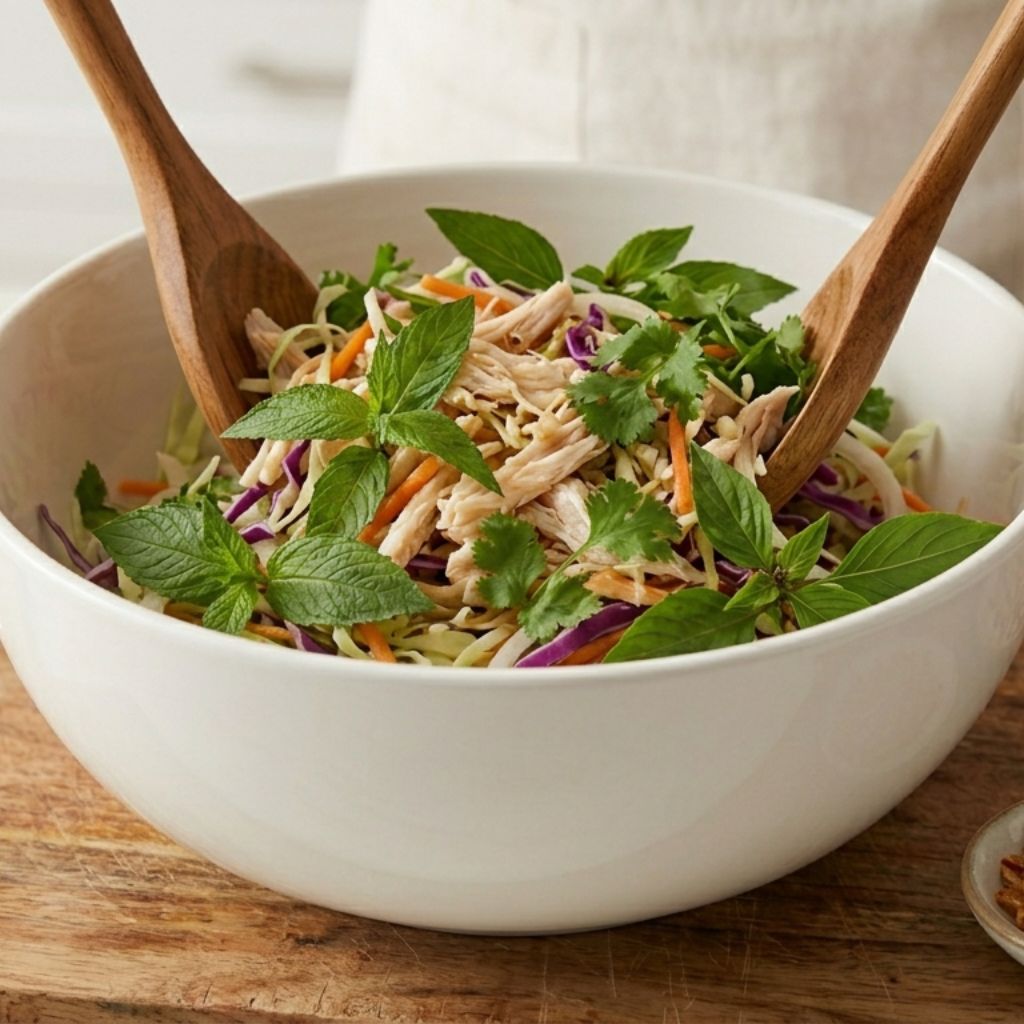
A well-garnished Gỏi Gà looks extraordinary: a heap of colourful salad crowned with golden
fried shallots, a scatter of crushed peanuts, fresh herb sprigs, and a wedge of fresh lime. It’s the kind of dish that makes people reach for their phone before they reach for their fork.
Fried Shallots and Roasted Peanuts
Fried shallots are non-negotiable. They add a sweet, caramelised crunch that contrasts beautifully with the fresh, cool salad beneath. You can fry your own by thinly slicing shallots and cooking them in neutral oil over medium heat until golden — it takes about 8 minutes and fills your kitchen with an absolutely wonderful smell.
Store-bought fried shallots (widely available at Asian grocery stores) are a perfectly acceptable shortcut. Roasted peanuts add a nutty richness and a satisfying bite. Use unsalted, dry-roasted
peanuts and crush them roughly — not too fine, because you want distinct pieces that give a proper crunch. If there’s a nut allergy at the table, toasted sunflower seeds make a surprisingly good substitute.
Prawn Crackers and Rice Paper Chips
While not traditional in every region, crispy prawn crackers (bánh phồng tôm) or lightly toasted rice paper chips served alongside the salad are absolutely delightful. They’re used for scooping, adding a textural dimension that turns the salad into an interactive eating experience.
Guests can load a piece of crispy rice paper with salad, fold it up, and eat it like a taco. It’s informal, fun, and genuinely delicious.
Nutritional Benefits of Vietnamese Chicken Salad
Beyond its extraordinary flavours, the Vietnamese chicken salad recipe is genuinely good for you. It’s a nutritionally balanced dish that delivers protein, fibre, vitamins, and minerals in a light, low-calorie package.
That’s a rare combination, and it’s one of the reasons this dish has become a favourite among health-conscious eaters worldwide.
The cabbage and carrots provide a meaningful dose of vitamin C and antioxidants. The fresh herbs — particularly coriander and Vietnamese mint — contribute folate, vitamin K, and various polyphenols that support general well-being.
The chicken is an excellent source of lean protein, supporting muscle maintenance and satiety. And the lime juice adds additional vitamin C while supporting the absorption of plant-based iron from the herbs and vegetables.
Variations and Regional Twists for Vietnamese Chicken Salad Recipe
One of the great things about the Vietnamese chicken salad recipe is that it’s not rigidly fixed. Like all great traditional dishes, it exists in many forms across different regions, households, and generations. Understanding these variations lets you customise the recipe confidently.
Northern vs. Southern Vietnamese Styles
In northern Vietnam, salads tend to be simpler and less sweet. The dressing is more austere, with less sugar and a heavier emphasis on the clean saltiness of fish sauce. The Herb selection is typically more restrained — often just coriander and a little mint.
In southern Vietnam, where the culinary tradition skews richer and sweeter, you’ll find more sugar in the dressing, a more generous use of herbs, and the frequent addition of banana blossom (hoa chuối) or green mango for extra textural interest.
Southern Gỏi Gà tends to be more colourful and abundantly garnished — it’s showier, and unapologetically so.
Fusion Adaptations Worth Trying
Modern variations abound. Some cooks add thin slices of green mango for a punchy sourness that takes the dish in a brighter direction. Others incorporate roasted sesame seeds alongside the peanuts, or drizzle a little sesame oil into the dressing for a slightly nuttier profile.
A few creative recipes add thinly sliced lotus root for its beautiful appearance and satisfying crunch. All of these are valid, and all are worth experimenting with once you’ve nailed the classic version.
Make-Ahead and Meal Prep Tips
The Vietnamese chicken salad recipe is a genuinely practical dish for busy households. With a bit of planning, you can have most of the components ready ahead of time, making assembly a five-minute task.
● Chicken: Poach and shred up to 3 days in advance. Store covered in the refrigerator.
● Vegetables: Shredded cabbage and julienned carrot can be prepped and stored separately in airtight containers for up to 2 days.
● Dressing: Make the nước chấm dressing up to 5 days ahead and store it in a sealed jar in the refrigerator. The flavours actually deepen and improve over time.
● Herbs: Best prepared fresh, but can be washed, dried, and refrigerated wrapped in paper towels for up to 1 day.
● Assembly: Dress the salad no more than 15–20 minutes before serving. Once dressed, the cabbage will begin to soften and release moisture. The salad is still Good after 30 minutes, but it won’t have the same vibrant crunch.
Conclusion
The Vietnamese chicken salad recipe — Gỏi Gà — is a dish worth learning properly, and it’ll reward you every single time you make it. It’s fresh, vibrant, deeply satisfying, and genuinely versatile. Whether you’re cooking it for a weeknight dinner, a special occasion, or a summer gathering, it brings a kind of joyful energy to the table that’s hard to match.
Start with the classic version, nail your dressing, be generous with your herbs, and don’t skip those crispy shallots. Once you’ve got the fundamentals down, the variations are yours to explore. Vietnamese cuisine is fundamentally optimistic — it celebrates freshness, balance, and abundance. This salad embodies all of that beautifully. Get into the kitchen and make it your own. You won’t regret it.
Vietnamese Chicken Salad Recipe
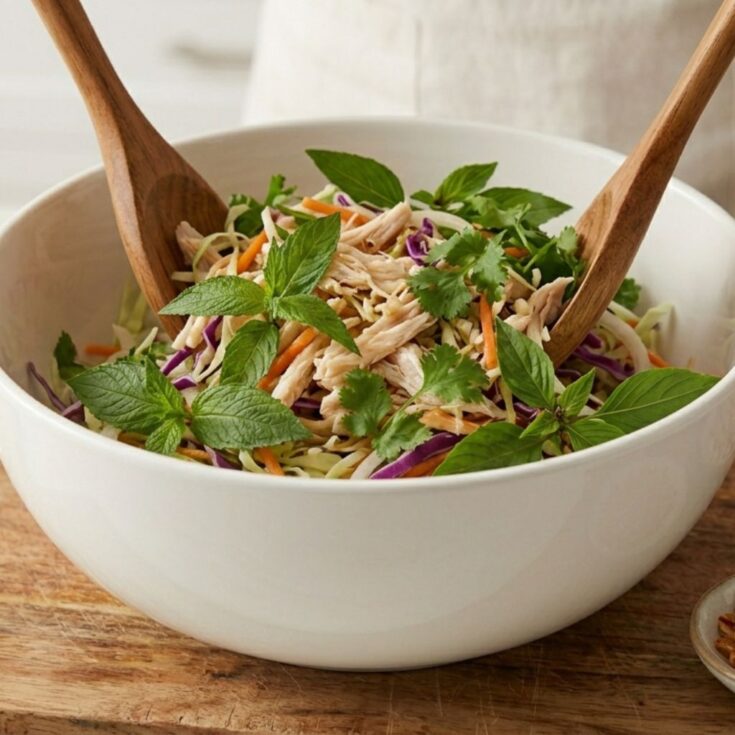
Vietnamese chicken salad recipe — a vibrant, herb-packed dish that's as nourishing as it is delicious, and surprisingly simple to master at home.
Ingredients
- 500 gram Chicken breast or thighs
- 3 Cup Green cabbage , Shredded
- 1 Cup Purple cabbage , shredded
- 1 Medium Carrot , julienned
- ½ medium White onion , thinly sliced
- ½ cup Vietnamese mint (rau răm)
- ½ cup Fresh coriander/cilantro
- ¼ cup Thai basil
- ⅓ cup Roasted peanuts , crushed
- ¼ cup Fried shallots
- 3 tbsp Fish sauce
- 3 tbsp Lime juice , fresh
- 2 tbsp Sugar
- cloves Garlic , minced
- 1-2 Bird's eye chilli , cho
Instructions
Step-by-Step Cooking Instructions
Now that we've covered the "why" behind the ingredients, let's get into the actual how-to.
This Vietnamese chicken salad recipe comes together in about 35 minutes, and most of that
It is passive cooking time while the chicken poaches.
Total Time: 35 minutes Prep Time: 20 minutes Cook Time: 15 minutes Servings: 4
Preparing and Poaching the Chicken
1. Fill a medium saucepan with enough water to submerge your chicken fully. Add 2
slices of fresh ginger, 1 bruised lemongrass stalk (optional but recommended), 1
teaspoon of salt, and bring to a gentle boil.
2. Add the chicken breasts and reduce the heat to a low simmer. Poach for 12–15 minutes,
or until cooked through (internal temperature of 74°C/165°F).
3. Remove the chicken and allow it to cool for 10 minutes before handling. Reserve the
poaching liquid — it makes an excellent base for soups.
Shredding Techniques for Perfect Texture
The texture of the shredded chicken is what gives the Vietnamese chicken salad recipe its
characteristic mouthfeel. There are two main approaches. You can use two forks to pull the
chicken apart into fine strands — this gives a looser, feathery texture. Alternatively, use your
hands to tear the chicken along its natural grain — this gives slightly thicker, more rustic
pieces.
For best results, shred the chicken while it's still slightly warm. Cold chicken becomes stiff
and doesn't shred as cleanly. Aim for pieces that are roughly 5–7cm long and thin enough to
absorb the dressing fully.
Assembling the Salad Like a Pro
1. Combine the shredded cabbage, carrot, and onion in a large mixing bowl.
2. Add the shredded chicken on top.
3. Pour approximately two-thirds of the dressing over the salad and toss gently but
thoroughly. Allow it to sit for 5 minutes — this brief marinating time is key.
4. Taste and add more dressing as needed.
5. Add the fresh herbs last, folding them in gently so they don't bruise.
6. Pile into serving bowls or onto a large platter. Top with crushed roasted peanuts and
fried shallots immediately before serving.
Recommended Products
🔥Every product is chosen by writers on their own. We may receive a commission if you purchase something after clicking on one of our links. 🔥Disclaimer: All the images and pictures shown in the video belong to the respected owner, not me/I am not the owner of these (used in the video) images, pictures, and clips. Any pricing information shown or mentioned in this video was accurate at the time of production and may have changed since. 🔥Links included in this description might be affiliate links. This means that if you click on one of the product links, I’ll receive a small commission. This helps support the channel and allows us to continue to make videos like this. 🔥Amazon and the Amazon logo are trademarks of Amazon.com, Inc. or its affiliates.
-
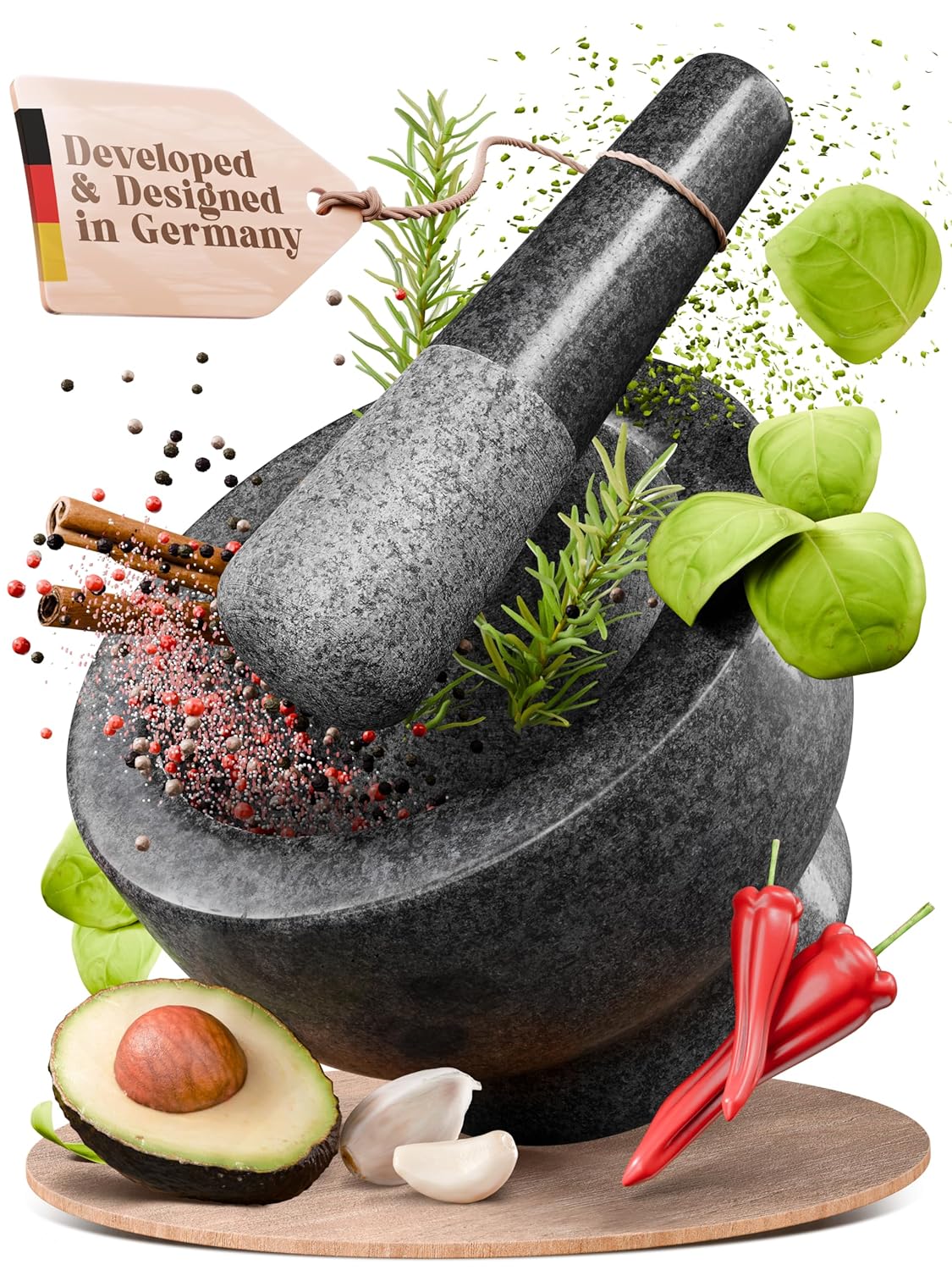
 Mortar and Pestle Set
 -
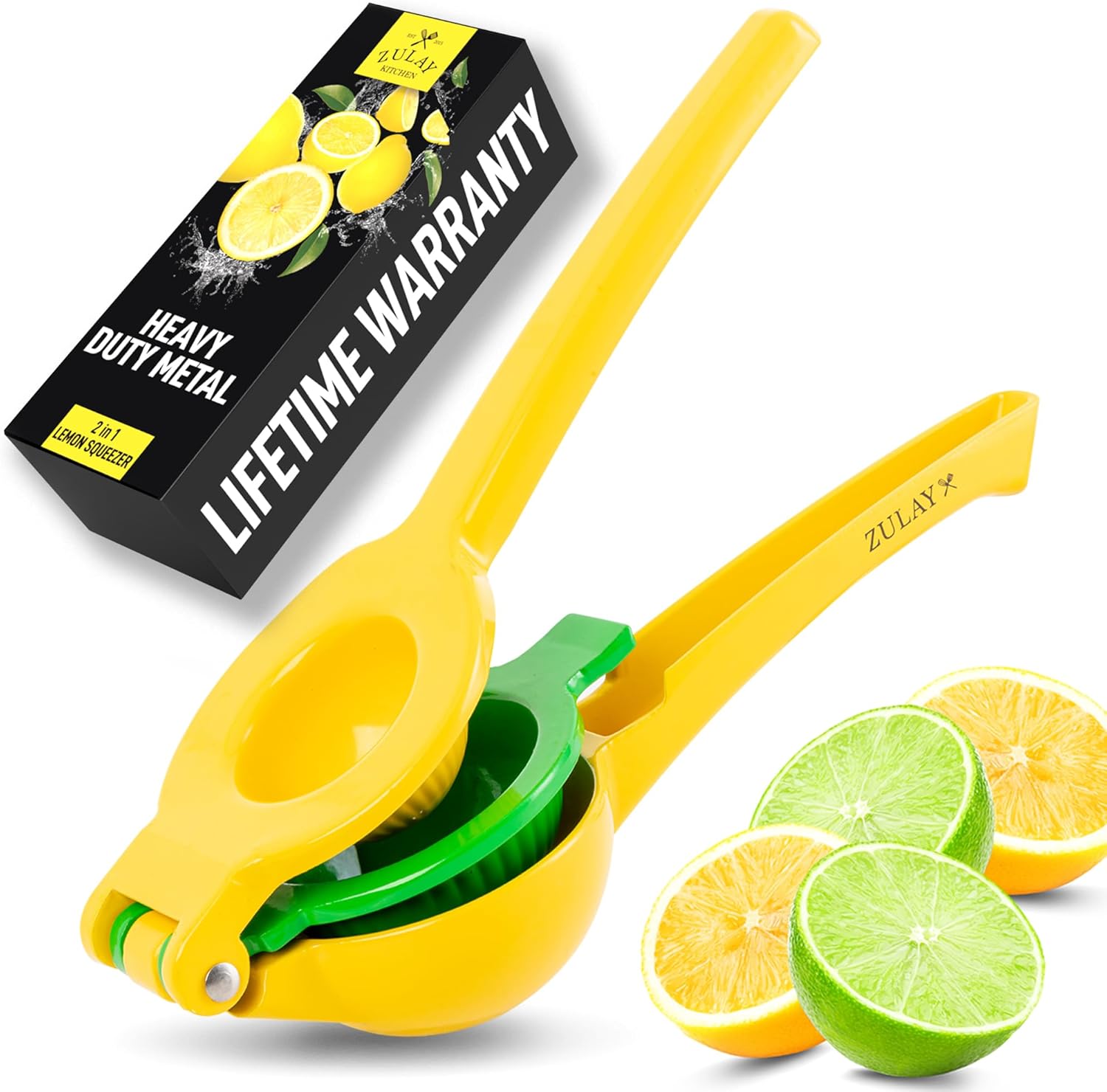
2-in-1 Lemon Squeezer
-
Kitchen Timers for Cooking
-
Meat Thermometer
-
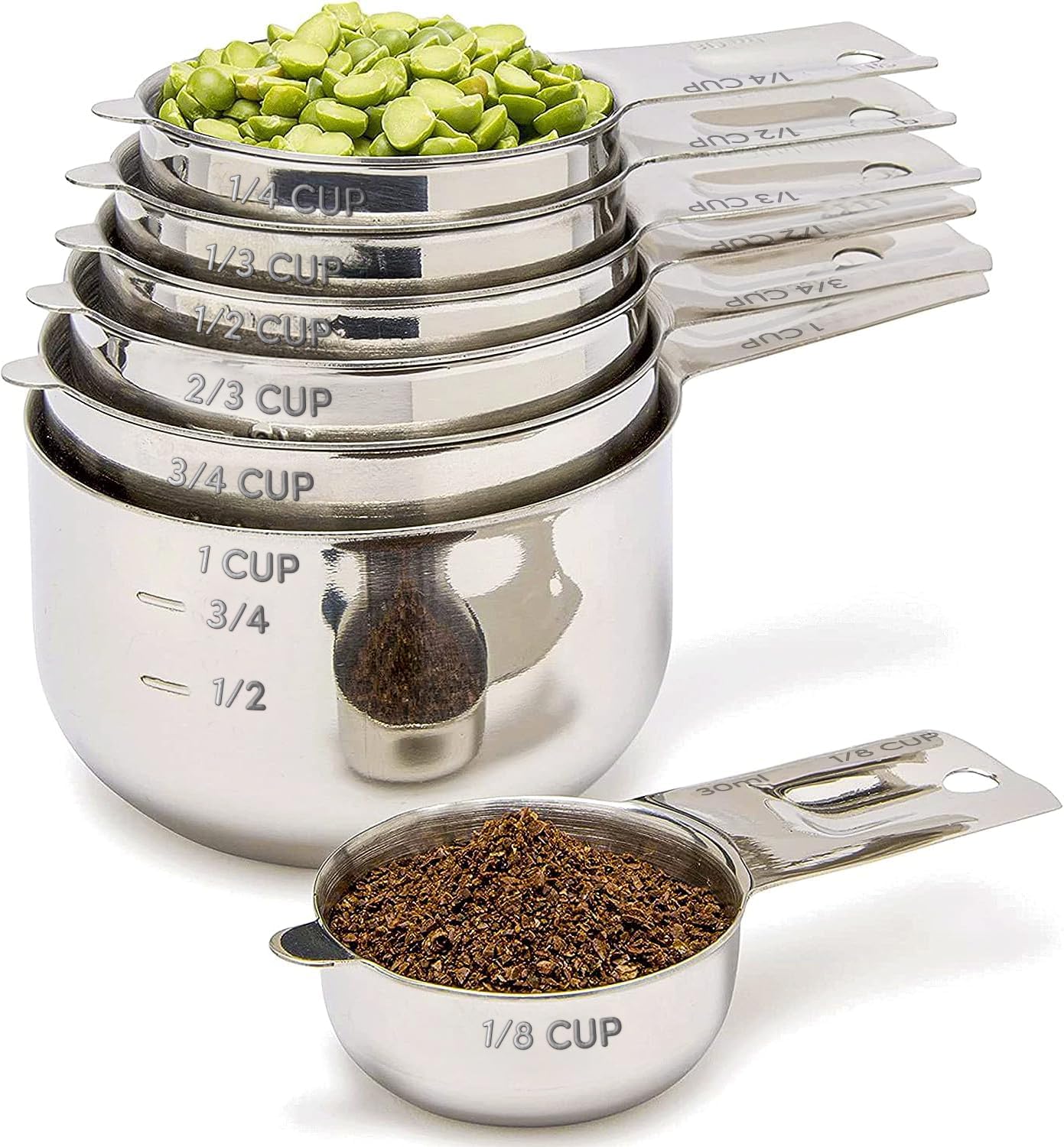
Gourmet Measuring Cups Set
-
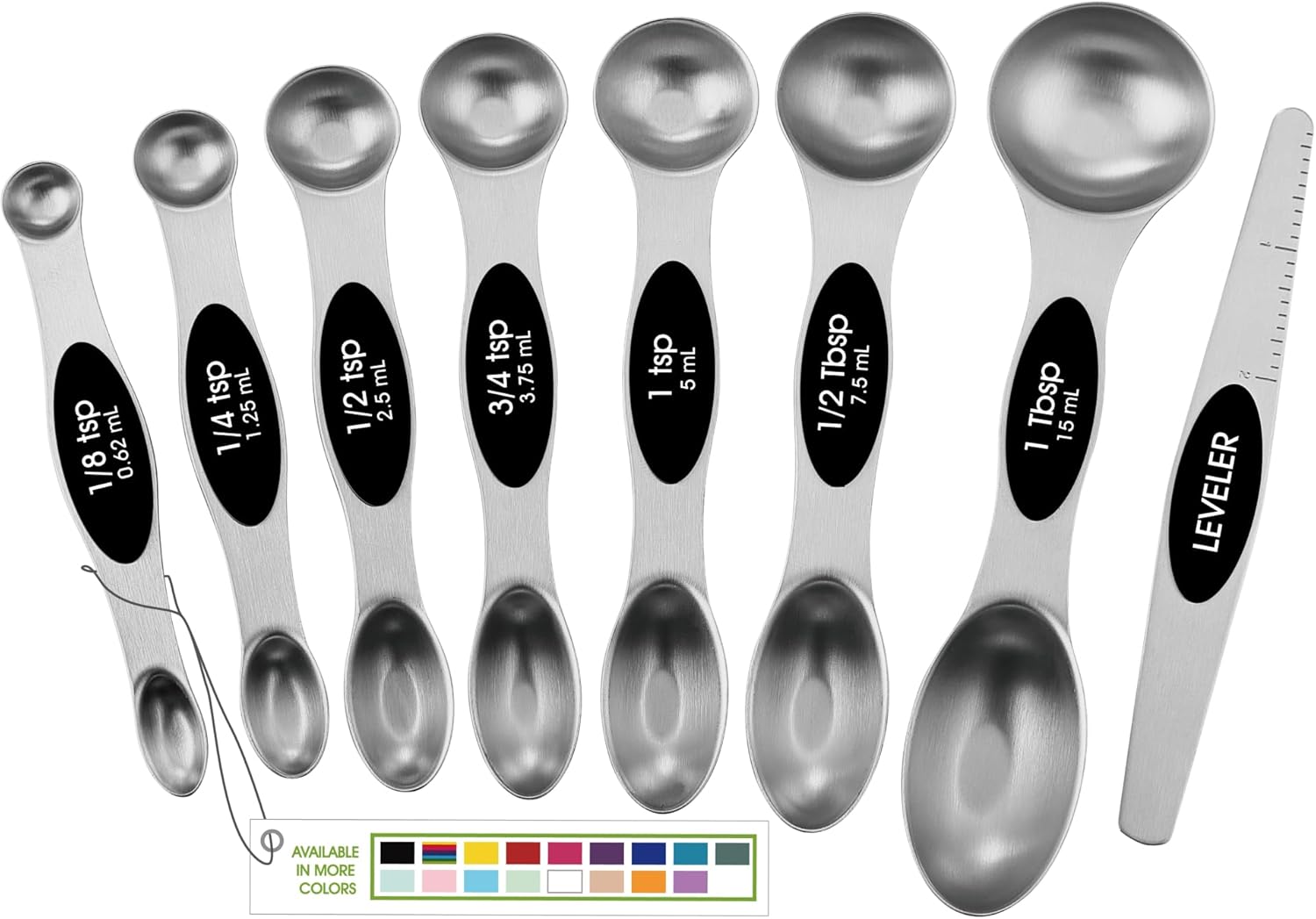
Magnetic Measuring Spoons Set
-
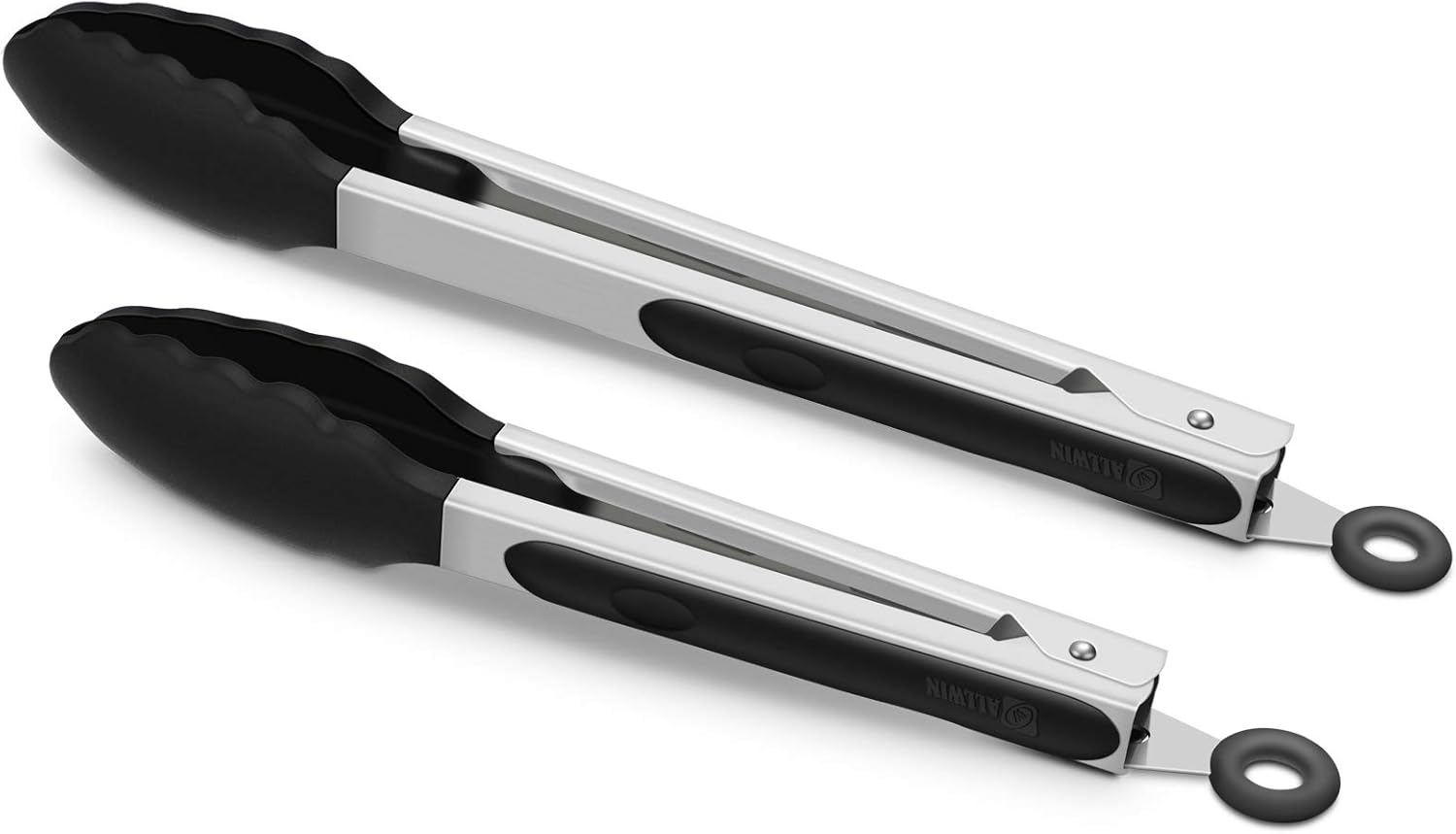
Kitchen Tongs
-
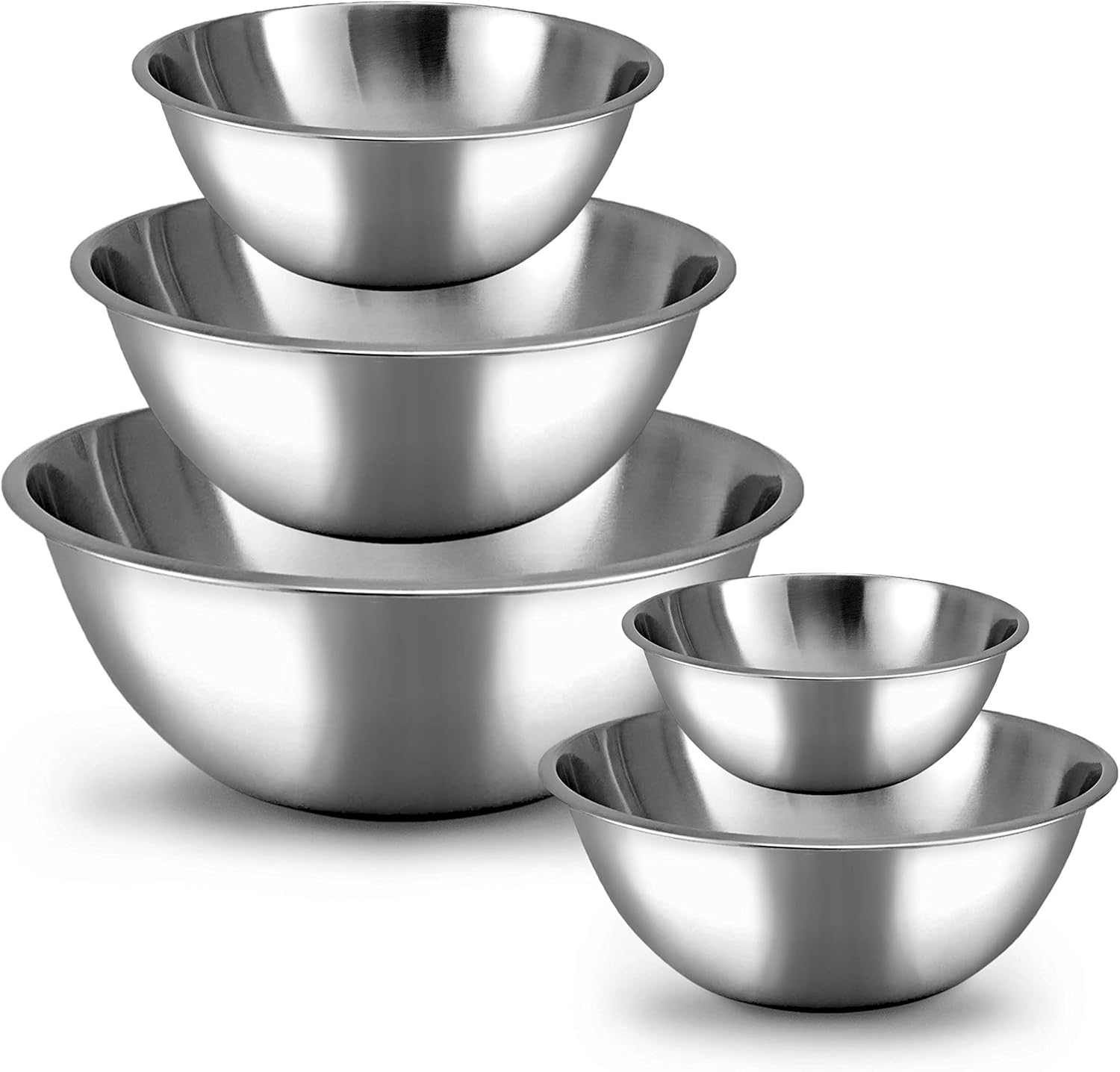
Stainless Steel Mixing Bowl
-
cooktop
-
Nonstick Frying Pan
-
Nonstick Saucepan with Lid
-
Mandoline Slicer
-
Julienne peeler
-
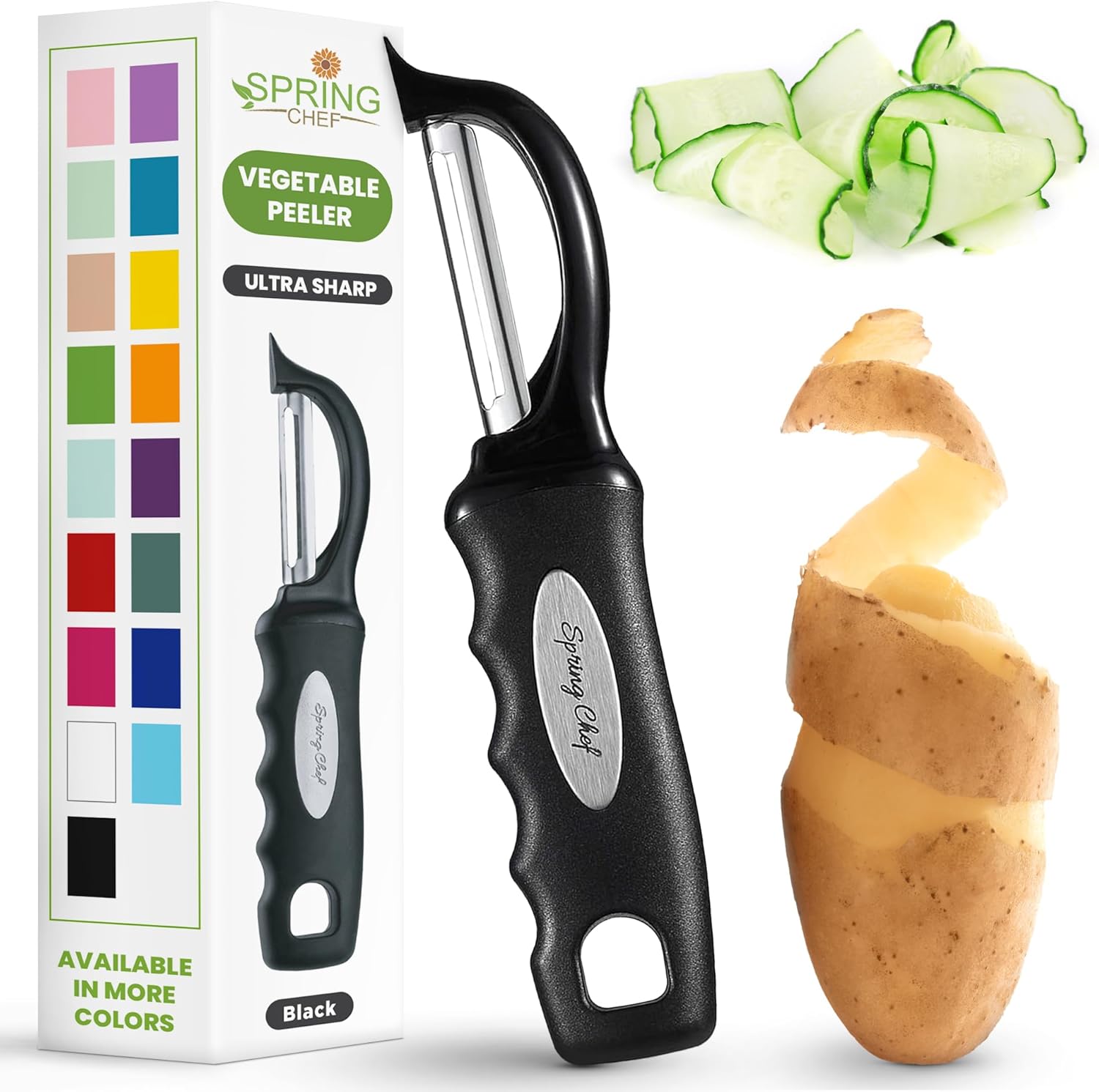
Chef Premium Swivel Vegetable Peeler
-
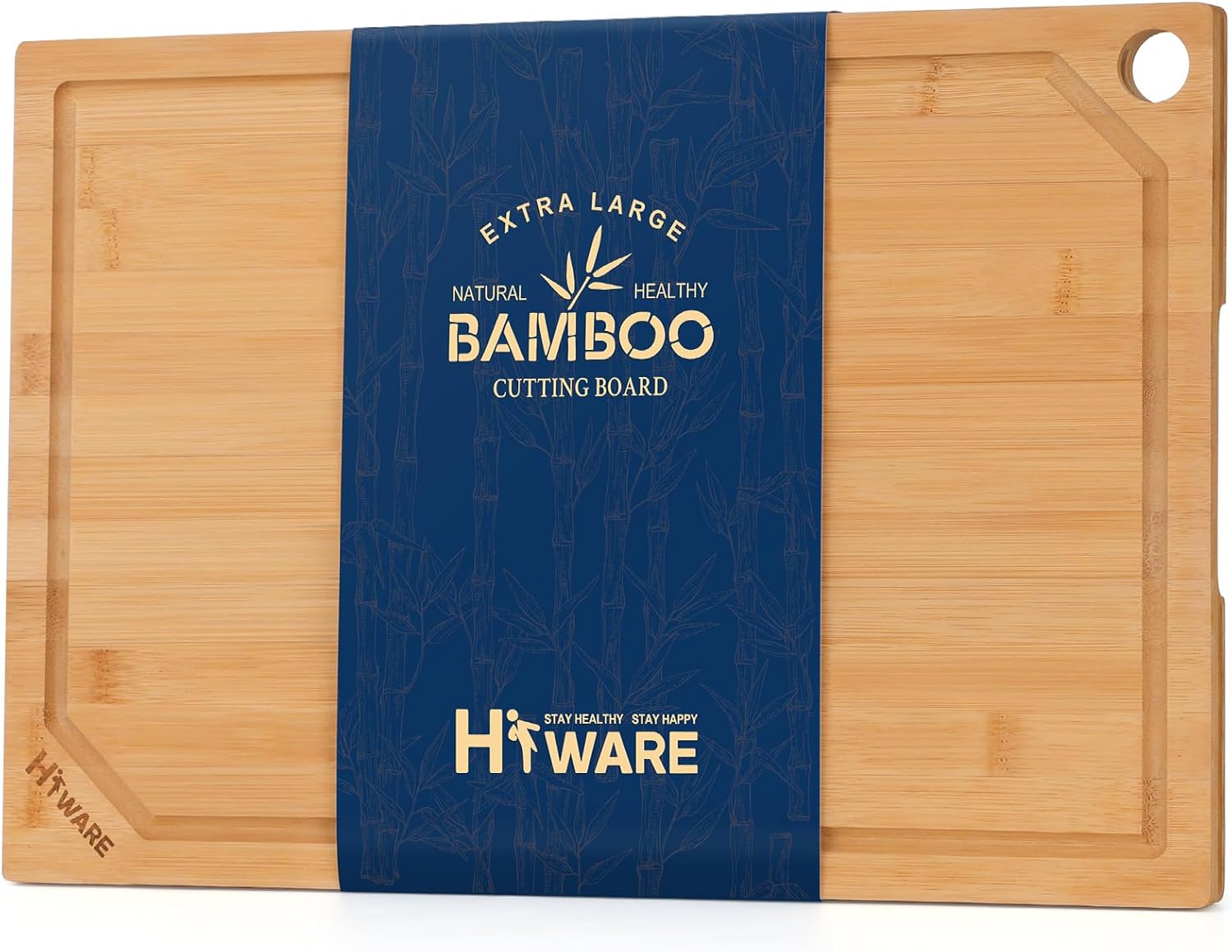
Cutting Board for Kitchen
-
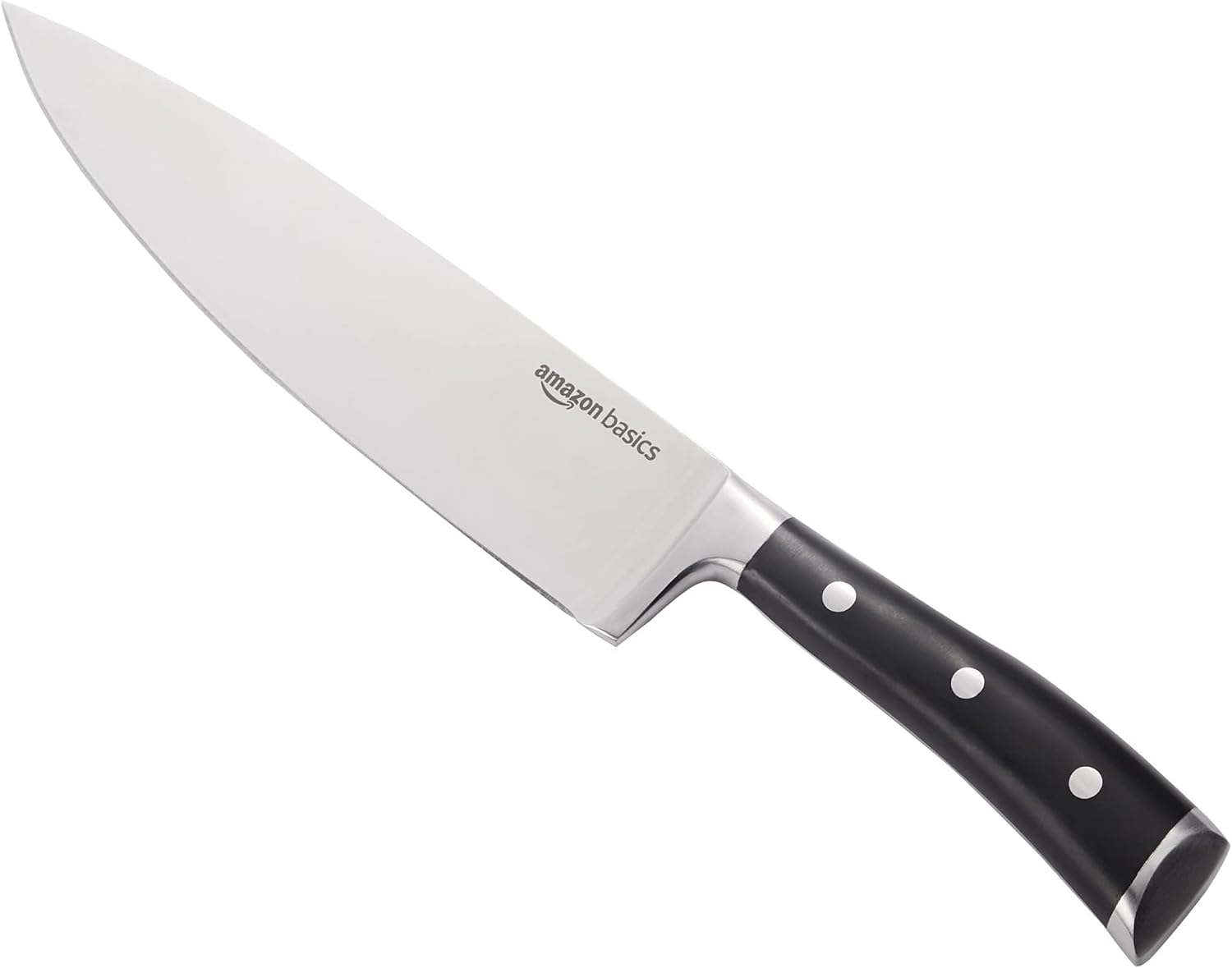
Chef's knife



Nutrition Information
Serving Size
1Amount Per Serving Calories 320–380 kcalTotal Fat 10–14ggCarbohydrates 20–24ggFiber 4–6ggProtein 28–32gg
Frequently Asked Questions (FAQs)
Q1: Can I make this Vietnamese chicken salad recipe without fish sauce?
Yes, though You’ll need to adjust for the umami depth that fish sauce provides. A combination of soy sauce (or tamari for gluten-free), a small splash of rice vinegar, and a little miso paste can approximate the savoury complexity. The dish won’t be traditionally Vietnamese in flavour, but It’ll still be delicious.
Q2: Is this salad suitable for meal prep?
Absolutely — with one caveat. Store the dressing separately and add it only when you’re ready to eat. The undressed salad (minus the herbs) keeps well for up to two days in the refrigerator. Add fresh herbs and dressing just before serving to maintain optimal texture and freshness.
Q3: What can I use instead of Vietnamese mint (rau răm)?
Vietnamese mint has a distinctive peppery-lemony flavour that’s hard to fully replicate. The closest substitution is a 50/50 mix of regular fresh mint and additional fresh coriander. You’ll get a slightly different flavour profile, but the spirit of the dish remains intact.
Q4: Can I use rotisserie chicken for this recipe?
Definitely. Rotisserie chicken is one of the best shortcuts for this dish. Remove the skin, shred the meat, and proceed with the recipe as normal. The seasoning from the rotisserie cooking actually adds a pleasant savoury depth.
Q5: How spicy is this Vietnamese chicken salad recipe?
The heat level is entirely in your hands. One bird’s eye chilli in the dressing gives a noticeable but manageable heat. Two chilis make it properly spicy. For a mild version, remove the seeds before slicing, or substitute a small amount of mild red chilli. For those who love heat, add sliced fresh chilli directly to the salad as a garnish.
Q6: What do I serve with Vietnamese chicken salad?
This salad is wonderfully versatile. It’s satisfying enough to serve as a standalone light meal, especially with prawn crackers or rice paper chips on the side. For a heartier spread, pair it with steamed jasmine rice, a clear Vietnamese soup like canh, or as part of a larger Vietnamese feast alongside spring rolls and braised pork.
Read More
Perfect Pan-Fried Pork Chops Without Flour – Juicy & Tender Every Time